Saturday, August 13, 2016

Update on Garden Center Visit


Remember this Black Swallowtail caterpillar that hitched a ride from the garden center on my rue plant on August 1st? Well, that day I placed him with the plant under the cage to finish growing and developing and this morning he emerged from his chrysalis.  After his wings had a chance to dry and he started fluttering around the cage, he was released -- only to land on my shoulder!  A few minutes later, he sailed up and over the roof.


Thursday, August 11, 2016

Cicada


It's the time of the summer that we hear the constant buzzing of cicadas.  This morning in the garden I spotted one on a daylily leaf among the blue leadwort flowers.  The bottom of the photo shows the green-winged nymph clinging to the leaf with its newly shed brown exoskeleton at the top.


Wednesday, August 10, 2016

Blackberry Season


The robins, gray catbirds and cardinals enjoy our blackberries as much as we do ...


... and so do the squirrels!


Tuesday, August 9, 2016

Giant Purple Zinnia


In April, I started zinnia seeds indoors under the grow lights in the basement, then transferred the small plants into the garden when the danger of frost in our area had passed, about May 31st.  One of the zinnia varieties that I grew was a giant rosy purple, disease-resistant variety that grows 3-4 feet tall, with each plant spreading out about 2 feet.  The dahlia-type zinnia has double 3-5" wide, long-lasting blooms. Zinnias are annuals and need to be replanted each year. They add bright splashes of color throughout the garden all summer and are the perfect flower to plant if you want to attract butterflies and hummingbirds.   


                                     From Bud to Bloom to Bouquet -- 


Monday, August 8, 2016

Garlic


In our northern climate in New York, garlic can be planted in the fall and harvested the next summer.

Over the weekend we dug the garlic bulbs that grew from the individual cloves that were planted in the garden in November of last year. Garlic bulbs can be purchased at a garden center and also can be grown from supermarket bulbs. After digging the bulbs, they should be dried in a warm place out of direct sunlight for a couple weeks, with good air circulation around them. They can then be easily separated into individual cloves.  I use most of my garlic for cooking, but will save a portion of the crop for replanting in the garden in November.  The snow doesn't damage the planted cloves and they continue their growth early the next spring. 

Mature garlic bulb harvested in August

Crop of bulbs

Bulb after drying
Separated into cloves

Plant cloves in trench in October/November, pointy end up, then cover with soil.

Saturday, August 6, 2016

Honeybee


How doth the little busy bee
Improve each shining hour,
and gather honey all the day
From every opening flower.

Isaac Watts

Friday, August 5, 2016

Sizzling Summer Heat


We're complaining about this year's hot, dry weather with temperatures consistently in the 80s and 90s, drought conditions and water shortages, the hottest summer since the 1960s.

But if we think that the summer sun is too hot,  just remember, we don't have to shovel it!!


View of our old apple tree with picnic table buried under the snow during the "Snowvember" Storm of 2014
     

Thursday, August 4, 2016

Milkweed Seeds

If the spent flower is not deadheaded or removed after it has finished blossoming, it will form a seed pod.  The photo shows a tropical milkweed plant (asclepias curassavica) in all of its stages of development -- flowers, spent flowers, seed pods and open pod with seeds.

The pods that have split open have exposed the seeds and silky fluff.  I'll save the seeds to start indoors under lights for new plants in the spring, since this is an annual milkweed in our northern climate.


Wednesday, August 3, 2016

Under the spreading apple tree ...

On a hot summer day, our favorite spot to enjoy an outdoor meal in our backyard is at the picnic table in the cool shade of our big, old apple tree.  It was just a sprout when my dad gave it to us over 30 years ago.  I think it's the Empire variety, but not sure. The grandkids like the tire swing that hangs from one of the large branches and it's been home to several varieties of birds.

We've had some nice apples from the tree over the years, but none better than last year's crop when we picked bushels of large unblemished apples, plenty for sauce, pies, baked apples and sharing. Not one apple on it this year, though ... I guess it needs a year to recover.


2015 crop

Tuesday, August 2, 2016

Perennial or Annual?

What is the difference between perennial and annual plants?  Perennials are plants that, with good care during the growing season,  re-grow in the garden year after year. Annuals are planted in the spring (in northern climates), die in the fall and new ones have to be planted the next spring.

Some examples of perennials that I have in my garden are: coreopsis, coneflower, daylily, iris, lobelia, phlox, hosta, hardy chrysanthemum, lupine....

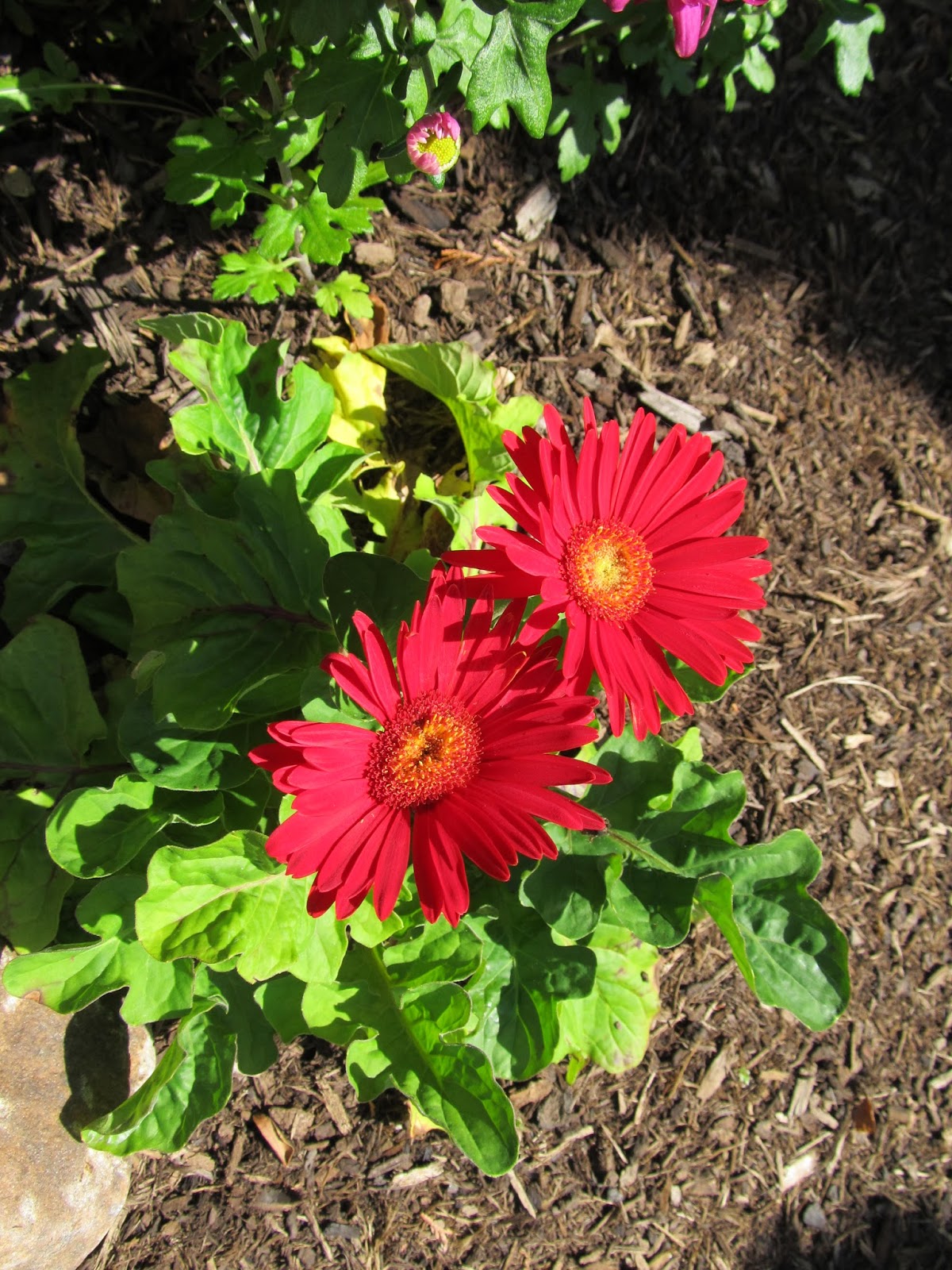
Examples of annuals in my garden are: stock, cornflower, zinnia, petunia, gerbera daisy, impatiens ....


                        Perennials:
Hardy Mum
                          
Phlox
Iris
Lupine

Lobelia
Daylily

Coreopsis
Coneflower
Hosta
                         

                            Annuals:


Petunia


Zinnia

Stock

Gerbera Daisy
Impatiens
Cornflower